
“When one is bored of London, they are bored of life”
This is the post which should arguably have kicked off my blog as it will take you through how to enjoy London if you love history like I do. It’s a long one, but a must-read if you are planning a trip to the city. As a tip, the London city pass is great value and covers so many historic sites. You can buy it here through GetYourGuide.*
London is a paradise for history enthusiasts. I say this not only because the city is packed with hundreds of museums. It is also brimming with ancient buildings, complex tales and there were many political movements borne in the city. You’ll notice, like with many parts of the UK, that the Tudors feel rife throughout. This is testament to their lasting impact on British history and also how well preserved many Tudor buildings, customs and traditions are.
London is brilliant for not only understanding the history of this great city, but of the UK more broadly. In this post I’ve tried to combine some of the more well-known places to visit or do, with some lesser-known.
Note, I’ve deliberately not put the British Museum on here, as it’s mainly a history of places which Brits have ransacked, as opposed to of Britain itself. Equally the London Dungeon has never done it for me so…
Read about the history of London
There are thousands of books out there about the history of London. If you are looking to read about the city’s past, these are just a few books I have enjoyed over the years. They will give you a flavour of the city before you visit.
- The Courtesan’s Revenge by Frances Wilson*
- London: A social history by Roy Porter*
- Dr Johnson’s London by Liza Pickard*
Historical places in Central London
Trace the Route of the Great Fire of London
The Great Fire of London is iconic in the history of the UK, despite the relatively small number of people it directly impacted. The fire is however said to have killed the rats which carried the plague, which actually saved thousands of lives. And also rats are gross, so I am grateful to the fire for this.
Today you can follow the path of destruction left by the Great Fire of 1666, starting at Pudding Lane, where the fire began in a bakery. From there, head to the Monument to the Great Fire of London, a towering column built to commemorate the event. Continue to St. Paul’s Cathedral, which was rebuilt by Sir Christopher Wren after being destroyed by the fire. Finally, if the Museum of London is open (it currently is not) go and see the dedicated exhibition. This contains lots of artifacts and you learn about the fire’s impact on the city and how it rebuilt.
How to Visit: The Monument is located near Monument station. Pudding Lane is a short walk away, and St. Paul’s Cathedral is accessible from St. Paul’s station. You can buy a queue-jump ticket for St. Paul’s Cathedral on GetYourGuide.*
Visit Parliament to uncover the UKs political history
No visit to London for history buffs would be complete without stepping into the beating heart of British democracy at the Palace of Westminster. You can access this historic building via a guided tour. UK residents can apply to their MP for one of these. Tours will take you around the historic House of Commons and House of Lords chambers. If you time it right, you can even catch debates in progress. The Gothic architecture alone, with its famous Big Ben clock tower, speaks to the grandeur that Britain holds itself to.

Today the Palace of Westminster stands on the site of the original Palace of Westminster. The original palace dates back to the 11th century and was used as a royal residence before evolving into the Parliament. Much of the original structure was destroyed a by fire in 1834. Westminster Hall, which was built in 1097, survived and remains one of the most significant parts of the Parliamentary Estate.
One of the most infamous events in Parliament’s history is the Gunpowder Plot of 1605, when Guy Fawkes and his co-conspirators attempted to blow up the House of Lords. This dramatic episode is commemorated annually on Bonfire Night, with effigies of Fawkes burned across the country. Yes, frankly it is a bit weird that in the UK we celebrate someone trying to blow up our Parliament. But that is what tradition does for you!
How to Visit: Public tours are available on Saturdays and during recess periods. UK residents can also get access to Parliament by contacting their local MP. Tickets can be booked in advance through the UK Parliament website or through GetYourGuide*. The closest underground stations are Westminster and St. James’s Park.
Take a detour to Banqueting House
One lesser-known but significant historical sites near Parliament is Banqueting House on Whitehall. This is where King Charles I was executed in 1649 following the English Civil War. Visitors can see the spot where the scaffold was erected, directly outside the hall. Banqueting House also features stunning Rubens-painted ceilings and exhibits detailing the events leading up to the king’s execution.
Experience London’s blitz spirit at the Cabinet War Rooms
To me the Cabinet (or Churchill) War Rooms are one of the most under-rated attractions in London. They are hidden just opposite St James’ Park – in a deceivingly small entrance which is easy miss. The War Rooms are one of the most meticulously restored historic sites in London. The curators of this museum have tried to faithfully recreate how the space was used in the Second World War. As you take the guided tour, you will see how Winston Churchill and his war cabinet used the space. You will learn about how the people who worked in the War rooms crunched intelligence and mapped military strategies to help end the war.
The Cabinet War Rooms are not a cheap place to visit (it is £33 a ticket without a tour!*) but you can easily spend hours there. It is not just about stepping into recent history, but there is also a brilliant exhibition at the end, which last time I went took me over an hour alone to go round.
London Transport Museum
The London Transport Museum was a recent find for me – I had walked past it and turned my nose up at it on numerous occasions. When I finally thought it would be quite cool to visit it, I was glad Amy was also keen. The London Transport Museum does not take as long to go around as some of the bigger museums, but it is no less impressive. It also shines a real light on how divided British Society is. For example, I did not know that the class system dictated which form of transport was built where. Trams, which I have always thought are cool, were designed to be for poor ends of town. Steam trains to the suburbs are for the wealthy. Who knew?
The Tower of London: for London’s royal and bloody past
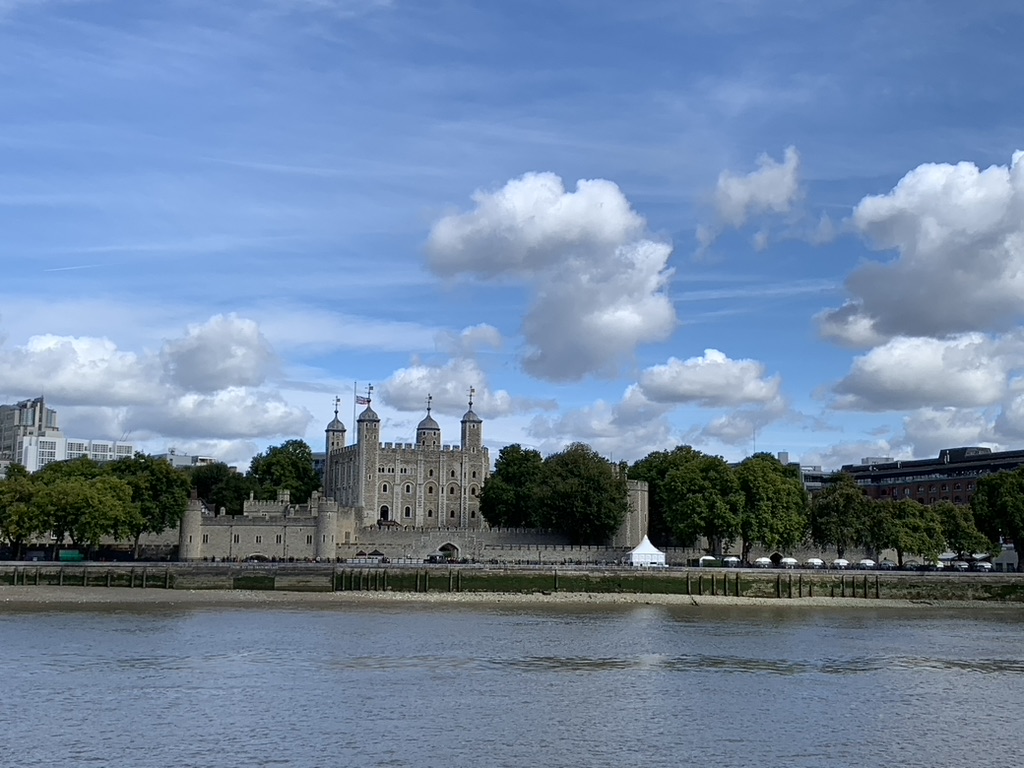
The Tower of London has it all – power struggles, executions, and even a resident flock of ravens. For this reason it is not a cheap day out, but it is a good one.


This UNESCO World Heritage site has stood for over 1,000 years and offers unparalleled insight into medieval London. The Tower of London really is a portal to London’s past but it also shows up some of the quirks of modern Britain. One of the biggest attractions at the Tower is the Crown Jewels. These are magnificent but controversial. They highlight how odd a constitutional monarchy is in the Twenty-first century. You are also can stand in the spot where Anne Boleyn met her fate. You will also learn about the Tower’s role as a prison, fortress, and royal residence.
How to Visit: Tickets can be purchased online through Historic Royal Palaces and it costs £34 for adults. The Tower is located near Tower Hill station. Arrive early to avoid long queues at the Crown Jewels.
Celebrate Britain’s Figures at the National Portrait Gallery
Reopened after an extensive renovation, the National Portrait Gallery provides a visual timeline of Britain’s most significant figures. From Elizabethan royalty to modern cultural icons, the gallery’s portraits bring history to life through art. It’s a wonderful way to understand the people who shaped Britain’s past.
How to Visit: The National Portrait Gallery is located near Leicester Square and Charing Cross stations. Entry is free, but some exhibitions may require a ticket.
Historic places in Outer London
Get to know the Tudors at Hampton Court Palace
Hampton Court Palace is the ultimate destination for fans of the Tudor era. It was once the opulent residence of Henry VIII but he is not the only King who lived there. Hampton Court is a riverside marvel that features grand banqueting halls, eerie hidden corridors, and perfectly manicured gardens. The palace’s famous maze and Tudor kitchens bring 16th-century life vividly into focus. Don’t forget to visit the Chapel Royal, a masterpiece of Tudor architecture.
Hampton Court is not however all about the Tudors. The famous facade dates to the Georgian period, and the palace does like to celebrate this link.
How to Visit: Hampton Court Palace is accessible via South Western Railway from London Waterloo. The train goes twice an hour and Hampton Court is the last stop. The station is a short walk from the palace. Tickets can be booked through Historic Royal Palaces and bought at the door.
Step into Georgian London at Osterley Park
Osterley Park and House, located in Isleworth (West London) is the pinnacle of Georgian architecture and society. If you love history, or love Bridgerton then Osterley is a must-visit. It is owned by the National Trust (free for members £18.70 for non-members) and is a splendid home which was built for the Child family. It was originally a Tudor house but the Child family (high-profile bankers of their time) transformed it into the mansion you see it today.


Osterley was designed for entertaining. It has acres of woodland (which were carpeted in bluebells on my last visit), specific dining and entertaining rooms and even a royal bedchamber. Not because a member of the royal family lived there, but in case one were to attend a party.
How to visit: Osterley is accessible by car (it is in the ULEZ zone and if you are not a National Trust member, parking is £7). If you are getting the train, Isleworth Station is just over a mile from the property and has regular trains.
Discover the Intimacy of Kew Palace
Kew Palace, nestled within the world-famous Kew Gardens, offers a more intimate glimpse into royal life. This charming, smaller-scale palace served as a family home for George III. Exhibits delve into his personal struggles and the life of his daughters. Kew’s riverside location and botanical surroundings provide a serene contrast to the grander palaces of London.
How to Visit: Entry to Kew Palace is included with admission to Kew Gardens. The nearest station is Kew Gardens (District Line and London Overground). Tickets are available via the Kew Gardens website.
Ham House: transport yourself to Baroque London

Ham House, located on the banks of the Thames in Richmond, feels like stepping into a perfectly preserved 17th-century time capsule. Built in 1610, this atmospheric mansion brims with original paintings, textiles, and furniture. It’s known for its connection to political intrigue during the English Civil War and boasts stunning Baroque gardens. Not only this, but Ham House is looked after Lord Roscoe. Aka a VERY cute rescue cat. It is also near Marble Hill and Strawberry Hill, which I would call “deep cuts” of English Stately Homes, but well worth a visit.
How to Visit: Ham House is managed by the National Trust. The closest station is Richmond, followed by a scenic walk along the Thames. Check the National Trust website for visiting hours and ticket information.
Discover Royal Elegance at Kensington Palace
Kensington Palace is often one of the overlooked palaces in London, but I think is a must-visit. It offers visitors a chance to explore the lives of British royals past and present. Known as the birthplace of Queen Victoria and the official residence of several members of the Royal Family, it holds fascinating exhibitions on royal fashion and court life. The Sunken Garden, dedicated to Princess Diana, adds a tranquil and poignant touch.
Learn from me: Kensington Palace is not open every day, most days sure, but not every day. So check the website before you plan your week. I have been to visit Kensington Palace and it has been closed. The Nandos nearby is good, but did not make up for the disappointment.
How to Visit: Kensington Palace is located in Kensington Gardens and is easily accessible from High Street Kensington and Queensway stations. Tickets can be booked through Historic Royal Palaces.
The Blue Plaques
Finally, for those who love discovering history while wandering the city you need to know about London’s iconic Blue Plaques. These small blue markers highlight the former homes and workplaces of notable figures, from Charles Dickens to Emmeline Pankhurst. It’s like a scavenger hunt through time, offering glimpses into the lives of London’s most famous residents. The plaques are scattered across greater London. If you make a trip out to Hampton Court you’ve got Michael Faraday and Christopher Wren’s houses just across the road by the river. If you come to my neck of the woods, we have Thomas Hardy and Enid Blyton. To plan your route, the London Blue Plaque guide* is worth a read.
How to Visit: Use the English Heritage website to search for Blue Plaque locations by area or notable figures.
Save London if you love history for later







Leave a Reply